The first prototype
The earliest known form of the project predates the five modern Realms and used a different resource system, terminology, and visual identity.
A public record of how the peoples, factions, environments, and visual identities of Reactor Realms developed over time—from the earliest Realm concepts to the post-Collapse world seen in the card game and novels.
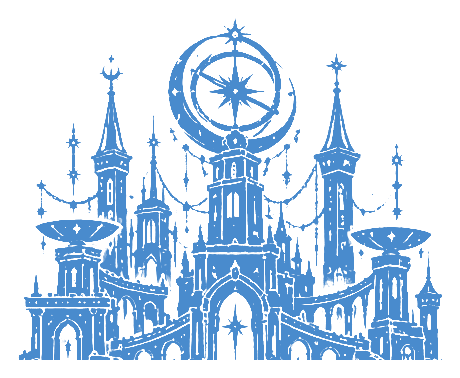
The earliest known form of the project predates the five modern Realms and used a different resource system, terminology, and visual identity.
Thornbound, Gloomborn, Duskforged, Sunshatter, and Starweave emerge as distinct cultures with their own environments, materials, colors, and approaches to survival.
The Realms become tied directly to the consequences of the Collapse, altered regional Silverflow, limited resources, and the recovery of old systems that once kept the world stable.
The novels increasingly show the world before the Collapse, while the card game reflects the peoples who inherited its ruins and reclaimed what survived.
These are the current public identity anchors used across the card game and novels. Earlier timeline entries below show how those identities developed.
Adult woodland elves shaped by forest survival, living-root construction, amberlite, reclaimed ruins, and stewardship of a damaged living Realm.
Recognizably human undead people shaped by death, mire, fungal decay, and regional Silverflow corruption. Their identity is corpse-like human survival—not a skeleton-based people.
Biological humans living through fractured volcanic terrain, pressure, salvage, ore, and reforging. Golems and Constructs are separate built beings, not the race itself.
Adult human nomads defined by movement, endurance, scarcity, layered survival gear, vitrified desert materials, and life around damaged heat-altered Silverflow.
Adult high elves descended from a civilization once built in the sky. Their current identity lives among fallen platforms, broken observatories, crashed airflow infrastructure, and reclaimed blue-violet Silverflow systems.
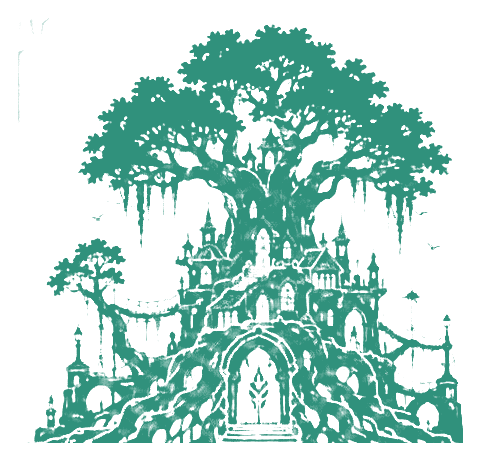
Thornbound began with living wood, roots, vines, and forest life. Over time that identity became tied directly to amber-changed Silverflow and the remains of the systems their ancestors depended upon.
Leaf greens, bark, vines, roots, and living structures form the earliest recognizable Thornbound visual identity.
Amber nodes, sap-like materials, root structures, and living regulation systems begin separating Thornbound from a generic forest culture.
Thornbound's humanoid identity is locked as adult woodland elves with pointed ears, mature lean proportions, natural hair, and practical forest-survivor clothing or armor. Living guardians and Constructs remain separate creature identities.
The Realm's changed Silverflow takes on an amber-like character, flowing through roots, channels, reservoirs, and reclaimed structures across the post-Collapse forest.
Modern Thornbound settlements survive by recovering, repairing and reusing pre-Collapse Silverflow regulators and infrastructure, combining old mechanisms with wood, amberlite, roots, stone, and whatever resources remain.
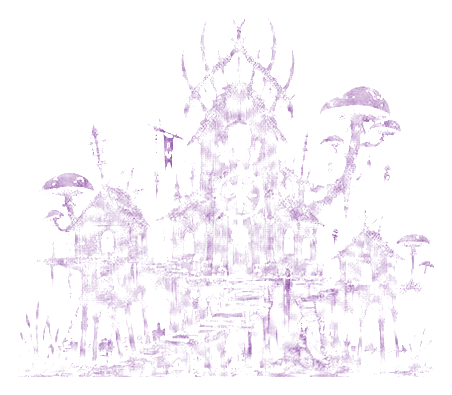
Gloomborn evolved from broad swamp imagery into a people visibly shaped by environmental collapse, death, fungal growth, mire, and a region where Silverflow itself no longer behaves as it once did.
Swamp greens, mud, fungus, rot, weathered wood, and drowned environments establish the first strong Gloomborn atmosphere.
Rot-resistant materials, fungal growth, mire-soaked structures, and biological decay become part of how the Realm survives rather than simple decoration.
Gloomborn are established as recognizably human undead people: gaunt, corpse-like and visibly altered by death, mire and fungal decay while retaining human anatomy. The faction is deliberately not defined by skeleton bodies or generic fantasy-undead silhouettes.
The local Silverflow has become a dark purple, mire-like current. Gloomborn life centers on surviving that altered environment while keeping reclaimed pre-Collapse Silverflow regulators functioning.
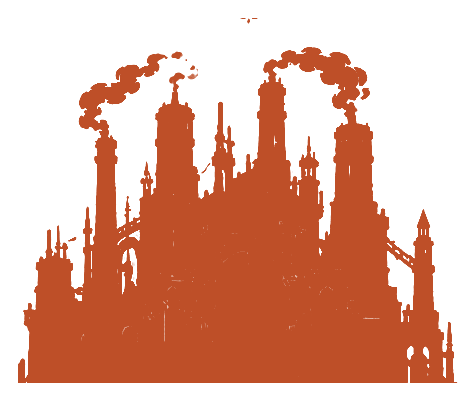
Duskforged began with iron and furnace imagery, then developed into a harsher post-Collapse culture built around fractured deep-earth infrastructure and a radically changed form of Silverflow.
Dark iron, ember light, furnaces, forged structures, and heavy construction define the earliest Duskforged visual identity.
Pressure chambers, heavy housings, reinforced channels, and heat-resistant materials give the Realm a more functional and dangerous industrial character.
Duskforged are locked as ordinary biological humans. Golems, Constructs and other built beings are separate creature identities that only appear when a card explicitly defines them that way.
The regional flow has changed into a gritty, viscous, sulfur-rich liquid closer to glowing dross than magma, forcing old regulators to operate under extreme heat and pressure.
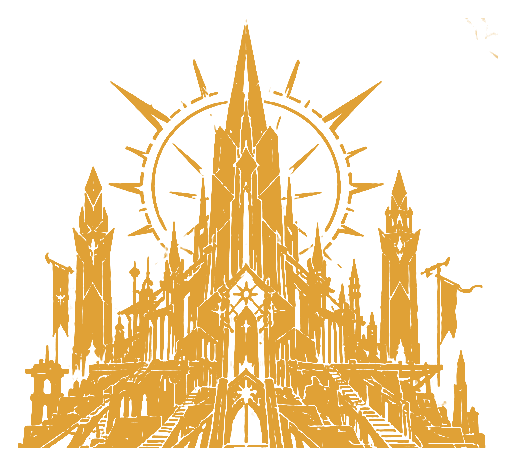
Sunshatter grew from a radiant desert civilization into a culture whose survival depends on recovering ancient systems in a region where both the landscape and Silverflow have been transformed.
Gold, red, bright sunlight, sandstone, carved monuments, and severe desert landscapes establish the early Realm.
Glass-like solar materials, stone housings, radiant channels, and monumental regulation structures become part of the Realm's identity.
Sunshatter's people are locked as adult humans rather than a separate desert species: mature desert-worn faces, layered wraps, travel leathers, practical robes or armor, and a culture built around movement, endurance and scarcity.
Water, shelter, usable materials, and functioning old-world systems become precious resources in settlements exposed to relentless heat and a damaged environment.
The local flow carries a sand-and-silica character, making the desert itself part of how reclaimed pre-Collapse regulators and surviving technology now function.
Starweave has one of the strongest contrasts between the world before the Collapse and the world inherited by its descendants.
Starweave was conceived as a true sky civilization, with major settlements and infrastructure held aloft through enormous mechanical fan and airflow systems.
Cyan and white-gold light, constellation patterns, celestial observation, and an elevated visual language become recognizable parts of Starweave.
Floating settlements, elevated control points, observatories, suspended structures, crystal materials, and vast airflow systems define the civilization before the Collapse.
Starweave's humanoid identity is locked as adult high elves with pointed ears, tall refined proportions, mature faces, and a culture rooted in observation, possibility, memory and celestial interpretation.
Observation, prediction, memory, star-maps, and confidence in a remarkably clean and stable Silverflow system become central to the culture's strengths—and to the way it ignored the growing imbalance.
The novels can show Starweave at its height. The card-game era instead lives among crashed platforms, broken fan systems, ruined observatories, and fallen elevated structures. Their blue Silverflow remains the closest regional form to the old clean current.
The history of Reactor Realms reaches further back than the five surviving Realm cultures. These peoples belong to the deeper history revealed through the novels and Legends.
Draconic are tall, slender human people—roughly ten to eleven feet tall and traditionally red-haired. They are not dragon-human hybrids; true Dragons are separate beings in the setting.
The Aesefra are an ancient male people tied to the oldest structures and buried history of the world. Their legacy survives long after much of their civilization disappears beneath later ages.